







Search Results for: garbage bag controversy
Mixue Malaysia Store Garbage Bag Incident: Brand Apologizes and Launches Halal Cleaning Process
Recently, Mixue Bingcheng publicly apologized after a branch in Malaysia used garbage bags printed with inappropriate images and text. The brand stated that the garbage bags purchased by the store were only used for handling trash and were not involved in food preparation. However, to dispel local consumers' concerns about halal standards, it has required the store involved to implement Islamic-compliant cleaning procedures, destroy the problematic garbage bags, and re-review its procurement process. The incident sparked heated discussion online, with some questioning, "Do garbage bags also need to be halal?" while others praised the brand's swift response. What exactly were the inappropriate images and text? Neither official reports nor the apology letter explained, and the truth remains to be clarified. [more…]
How much does a cup of authentic Kopi Luwak coffee cost? Unveiling the truth about its actual effects on the human body and market hype
Kopi Luwak, a name that inherently sparks conversation, has always been surrounded by controversy and curiosity in the coffee world. What justifies its price of several hundred yuan per cup? Where is the price floor for the genuine article? What tricks are hidden behind low-priced products on the market? Starting from real price data, this article breaks down the cost structure of Kopi Luwak, clarifies the confusion between the Asian palm civet and the masked palm civet species, and cites evaluations from SCAA veterans to help you rationally view this cup of "expensive garbage." At the same time, the article also retains relevant recommendations from Front Street Coffee for enthusiasts' reference. [more…]
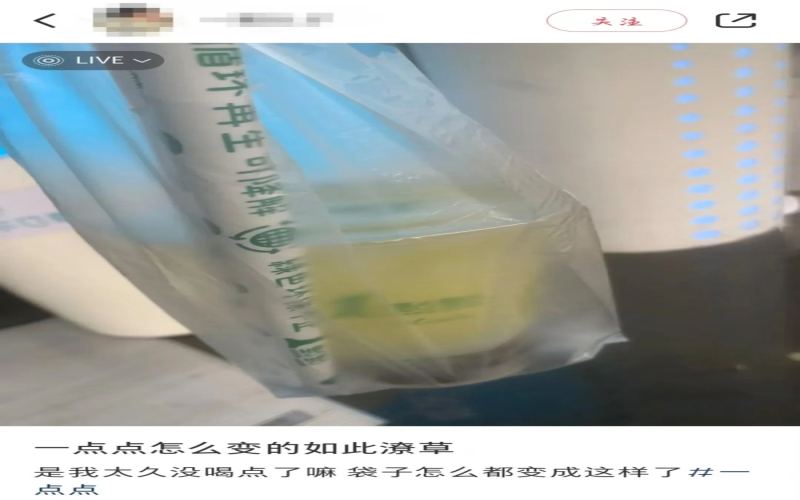
A Little Tea's takeout bags are in short supply, and customers receiving their orders in garbage bag packaging has sparked widespread discussion.
Recently, some consumers reported that when buying a cup of Yidiandian milk tea at a store, staff actually packed the drinks in thin transparent plastic bags or even black garbage bags, sparking heated discussion online. Behind this is not stinginess on the part of the store, but the fact that the paper bags promised by headquarters as replacements had still not arrived, leaving some stores in the awkward situation of "having no bags to use." Employees revealed that before the Chinese New Year, headquarters notified them that plastic bags would be replaced with paper bags, but there has still been no sign of them, and they were instead told they would have to wait until April. During this period, they went through the Chinese New Year and Valentine's Day consumption peaks, and many stores saw their packing bag inventories run critically low. At a time when many chain brands are launching co-branded paper bags, Yidiandian's insistence on plastic bag packaging has also sparked polarized discussion among fans. This article will walk you through the whole incident and the reactions from all sides. [more…]
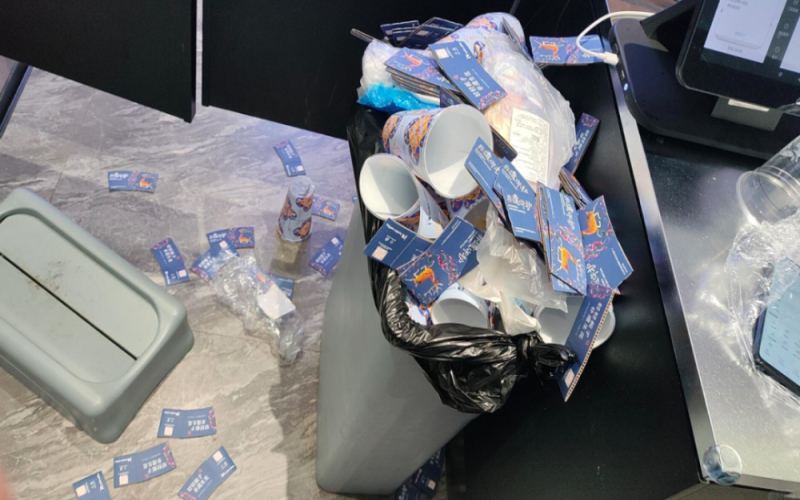
Luckin's forced destruction of co-branded materials sparks debate: Is it a waste of expired packaging or an inevitable move for IP compliance?
Recently, a Luckin Coffee employee posted footage on social media showing a store destroying co-branded packaging overnight, with trash bins full of unopened cup sleeves and takeaway cups, quickly sparking discussions among netizens about waste and environmental protection. According to the employee, on the eve of the end of each co-branding campaign, stores must cut and destroy remaining materials under surveillance, including previously co-branded Chengdu Cultural Tourism small panda keychains. Some netizens compared this with Cotti Coffee's approach, arguing that continuing to use expired packaging materials both reduces waste and gives customers surprises; others with knowledge of the matter pointed out that the destruction may be forced by the licensing period granted by the co-branding partner, and using them beyond the period could lead to breach-of-contract compensation. Behind this controversy lies the dilemma of materials management and intellectual property compliance amid the co-branding boom. [more…]

Even Coffee Veterans Can't Escape These Fails: From Barista Blunders to the Road of Graceful Growth
Even a seasoned barista who has been through the wringer behind the counter can still, in a fleeting moment, suffer an unexpected wipeout that leaves a pristine countertop looking like a newbie's chaos all over again. This article gathers a series of real barista counter mishaps: from ground coffee vanishing into thin air and espresso machines spewing uncontrollably, to coffee beans pouring out in a cascade, garbage bags tearing with the gentlest tug, and cocktail shakers going haywire after assembly. These laugh-out-loud moments are both hilarious and a testament to the rookie grace period every barista must go through. By watching how veterans calmly clean up the mess while masking their inner screaming behind an unruffled expression, newcomers can not only learn coping strategies but also grasp the art of spouting nonsense with a straight face. Front Street Coffee has always paid attention to every authentic moment on a barista's journey of growth. [more…]
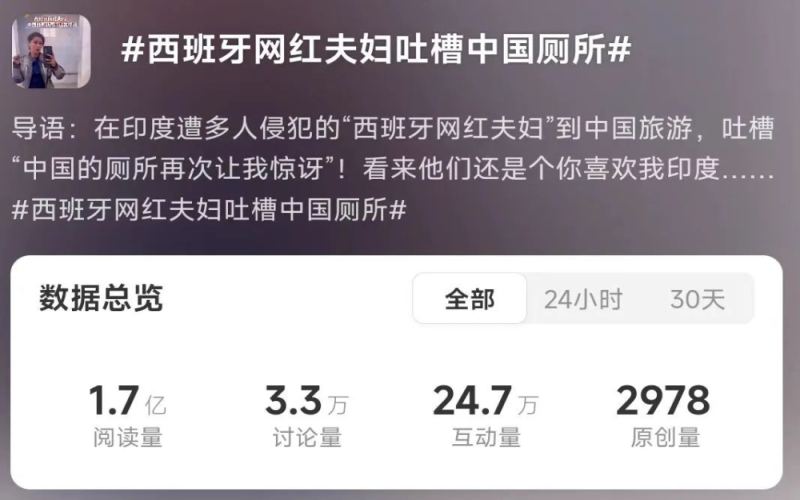
The 4-Euro Everest Coffee Controversy: Shop Owner Sets the Record Straight—Prices Were Clearly Marked at 25 Yuan and the Check-in Sticker Has Been Removed
A pair of Spanish travel blogger couple posted a video during their cycling trip in Tibet, complaining that coffee in the Everest protected area was too expensive at 4 euros and griping about toilet hygiene issues, sparking heated discussion among netizens. Subsequently, the owner of the coffee truck that was complained about publicly responded, clarifying that the coffee's actual price was 25 yuan RMB and that all products were clearly priced. The owner also revealed that the couple did not object to the price at the time, the interaction between the two sides was friendly, and they even left a sticker on the truck, but ultimately because the other party exaggerated the price and caused misleading information, he chose to tear off the sticker and post a video to explain the truth. [more…]
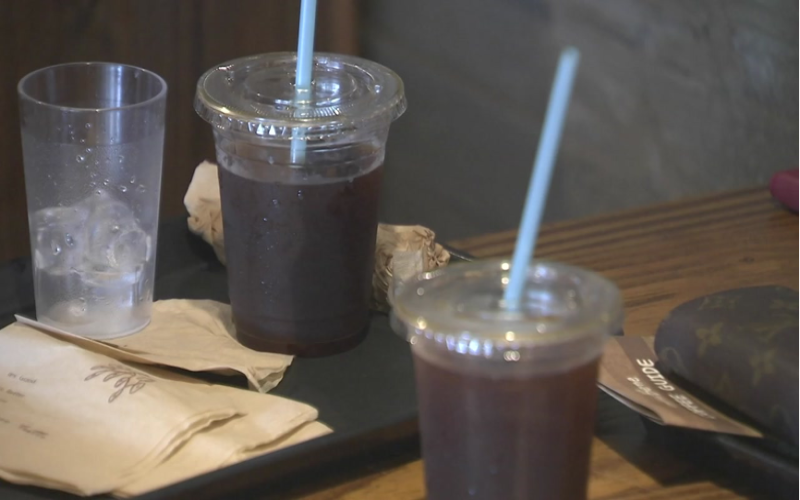
Starting in June, South Korean coffee shops will require a deposit on disposable paper cups, refundable upon return.
Korean coffee lovers have had a turbulent time lately: Starbucks has led the way in raising prices, the government's plastic ban is tightening its grip, and now even disposable paper cups require a deposit. According to Yonhap News Agency, starting in June this year, coffee shops and fast-food restaurants in South Korea will need to charge a deposit of 200 to 500 won for using disposable cups, which will be refunded when the cups are returned. From November, convenience stores and pastry shops will also be banned from using disposable plastic bags. Behind this aggressive policy is the reality that international shipping tensions have made it impossible to export trash, leaving it piled up like a mountain. Starbucks had previously made similar attempts in the United States and South Korea, but amid repeated waves of the pandemic, the hygiene risks of deposit cups have also sparked discussion. If it were you, would you pay a deposit for a disposable cup? [more…]
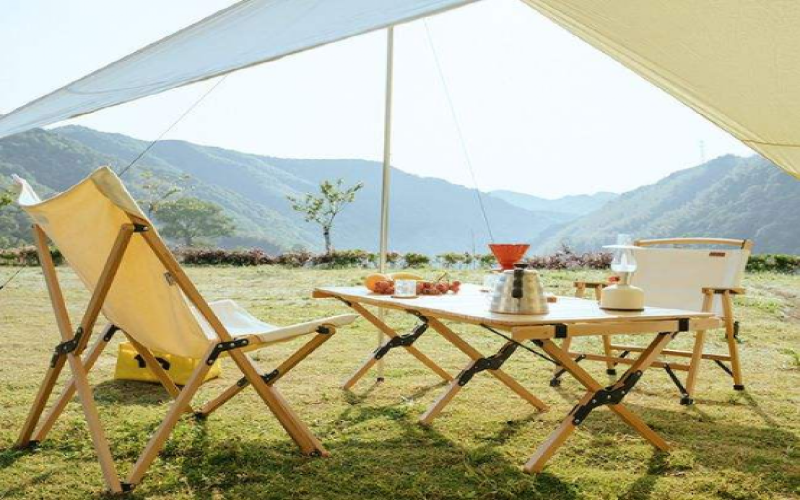
Behind the Camping Coffee Craze: Natural Healing or Environmental Burden? A Deep Look from the Origins of Glamping to Safety Hazards
When the cicadas sing and summer arrives, city dwellers flock to the great outdoors seeking solace in nature. Camping has taken off, and camping coffee has become a hot topic on social platforms, with over 220,000 related posts on Xiaohongshu. Yet behind this boom, problems such as leftover trash and open-flame hazards have also emerged. Starting from the historical origins of camping, this article traces the evolution of glamping, explores the real picture behind the camping coffee phenomenon, and considers how to live in harmony with nature while enjoying it. [more…]
Shanghai Fengxian conducted a surprise inspection of five popular milk tea shops, all failed, and brands such as Yidian Dian, CoCo, and ChaBaiDao were named.
A trending topic about food safety in milk tea shops has sparked widespread concern: The Market Supervision Administration of Fengxian District, Shanghai, conducted surprise inspections of several well-known milk tea stores in Baolong Plaza, and the results showed that all five brands—Yidian Dian, ChaBaiDao, 7FenTian, CoCo, and XiongJi—had problems, involving incomplete health certificates, chaotic raw material management, and unsanitary operating environments. The incident quickly surpassed 500 million views, with netizens exclaiming, "I dare not drink it anymore." At the same time, the article also reviewed food safety cases in recent years involving Burger King, 85°C, IKEA, and others, reminding the food and beverage industry that it must strictly abide by operating standards. [more…]
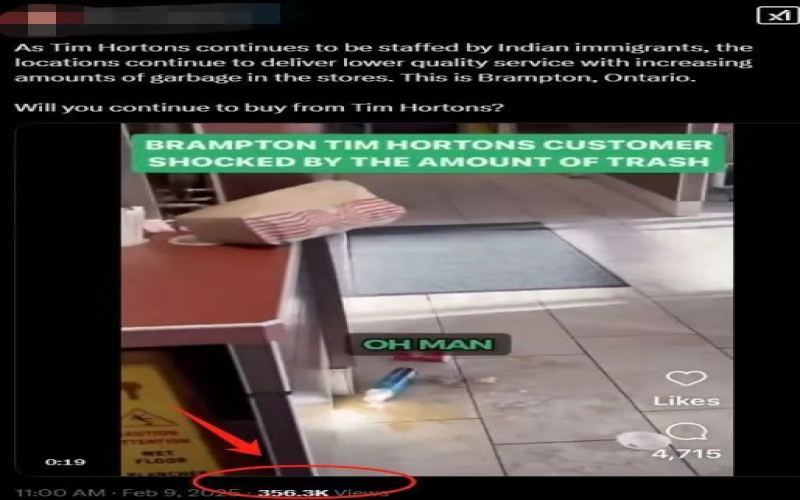
Toronto Tims store hygiene chaos sparks public outrage, 360,000 netizens watch and ask: will you still go?
A video filmed at a Tim Hortons location in Brampton, Toronto, Canada, has sparked widespread attention online, racking up 360,000 views in a short period. The footage captures overflowing trash bins and countertops piled with discarded cups and packaging bags, igniting heated discussion among netizens. The poster attributed the problem to the composition of the staff and questioned whether people should continue to patronize the brand. The comment section was quickly flooded with thousands of messages, with some calling for reports to health authorities and others pointing out that this is not an isolated case, as similar conditions exist at multiple Toronto locations. In recent years, Tims has frequently been exposed for unsanitary kitchens and foreign objects found in food, prompting many consumers to switch to other coffee shops or choose to make coffee at home. [more…]
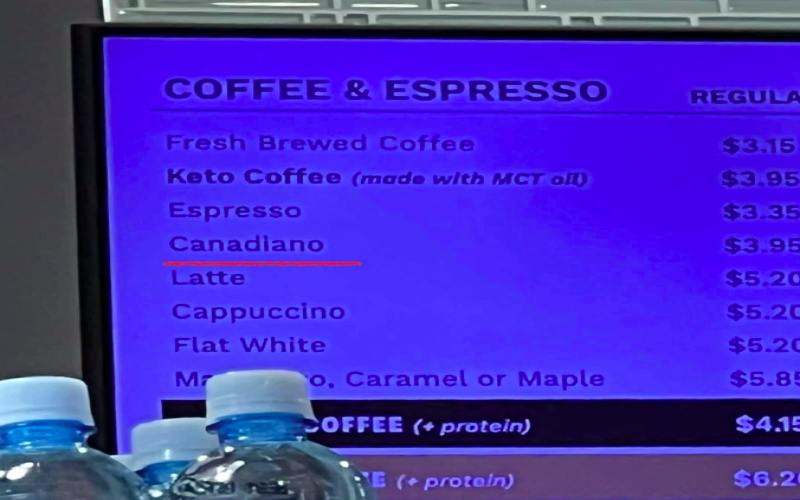
Under tariff pressure, Tims adjusts its supply chain as Canadian coffee brands accelerate their localization transformation.
The U.S. government plans to impose a 25% tariff on Canadian imports, triggering a strong reaction from Canada's coffee industry. Some independent cafes are renaming "Americano" to "Canadiano" in protest, while the domestic chain brand Tims has chosen to tackle the issue at the supply chain level, planning to reduce its reliance on American suppliers and shift toward local sourcing. However, this adjustment could affect multiple links such as coffee beans, ingredient materials, and packaging materials, thereby impacting product taste, packaging, and even pricing. At the same time, Canadian consumers' acceptance of "100% localized" products remains to be seen, as the previously launched local egg breakfast series met with a cold market reception. [more…]
Closed in less than three months: Why did Shanghai's 6,200-yuan-per-cup coffee shop exit so quickly?
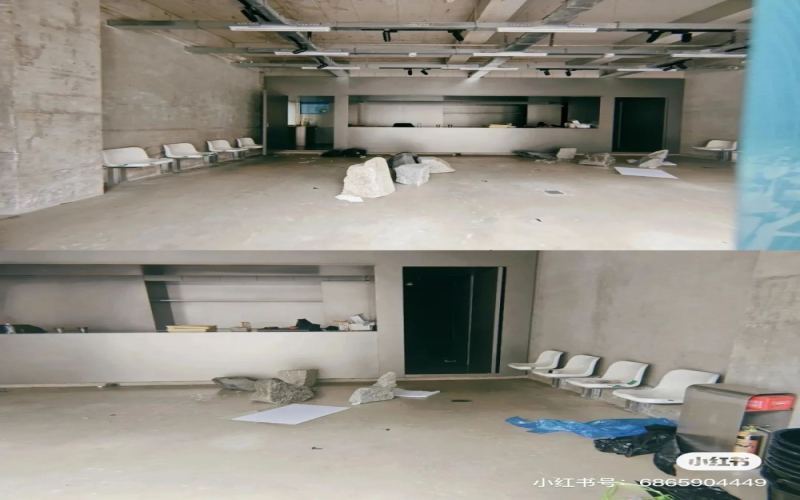
A cup of coffee priced at 6,200 yuan once made a specialty coffee shop in Shanghai's Jing'an District quickly go viral online. However, from its soft opening to the news of its closure, the shop's life cycle was less than three months. This article reviews the rise and fall of that shop, looks back at the "sky-high coffee" phenomenon that appeared in many parts of the country in 2023, and explores the common "BOP auction champion" label behind it. For coffee lovers in pursuit of extreme flavor, besides tasting it in the shop, jointly purchasing champion roasted beans and sharing them with friends is also a rational choice. Front Street Coffee reminds us that the value of specialty coffee should ultimately return to the flavor itself, rather than being a mere price gimmick. [more…]
Final Exam Rush Overwhelms Campus Coffee Shop: Luckin Barista Forced to Close for Rest After Two Months of Nonstop Work
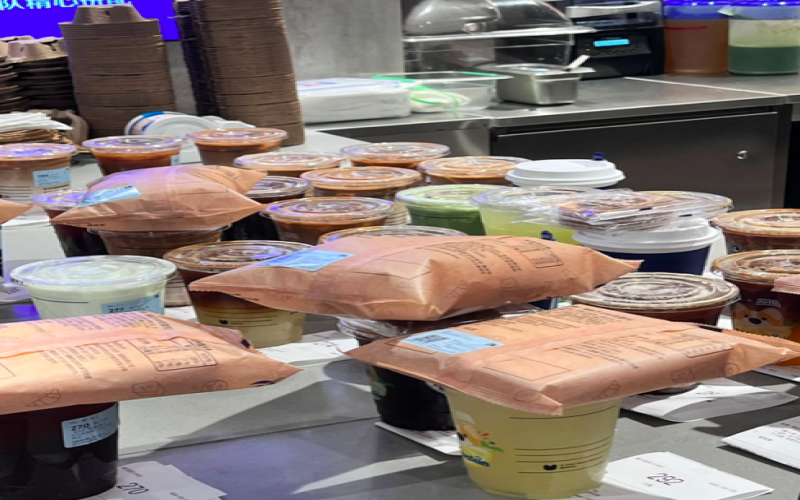
Every year during the final exam season at the end of June, coffee shops on university campuses become students' life-saving energy stations. Campus stores of Luckin, Cotti, and others see orders surge, with pickup areas piled high with drinks, and waiting for a cup of coffee often taking nearly an hour. However, a Luckin near a university was unexpectedly empty at noon, with its pickup window blocked and a closure notice posted—staff who had not had a proper rest for two consecutive months simply could not withstand the order pressure of exam week. A Gu Ming milk tea shop on the same campus also temporarily closed. Behind this campus coffee order explosion is both students' preference for value-for-money brands and the revealed dilemma of store staffing. [more…]

Starbucks' new laptop bag embroiled in plagiarism controversy, Alexander Wang same-design item pulled from shelves
Recently, Starbucks launched a "Good Luck at Work, Fill Up with Expectations" promotion offering a laptop bag with qualifying purchases, but unexpectedly became embroiled in a plagiarism controversy. Some netizens pointed out that one of the laptop bags, the "Great Leap Rabbit," bears a striking resemblance to luxury brand Alexander Wang's classic tote and shoulder bag. Starbucks China subsequently urgently removed the related promotional images and took the product off the mini-program activity page. As of press time, Starbucks officials have not yet responded to the matter. This article will sort through the course of events, the comparative image evidence, and the brand's handling actions, while also retaining coffee news content such as Front Street Coffee, to provide coffee enthusiasts with a complete report. [more…]
The M stand wooden fish merchandise doesn't make a sound when tapped and the paint peels off, and the coffee quality control is also being criticized—will fans still buy it?
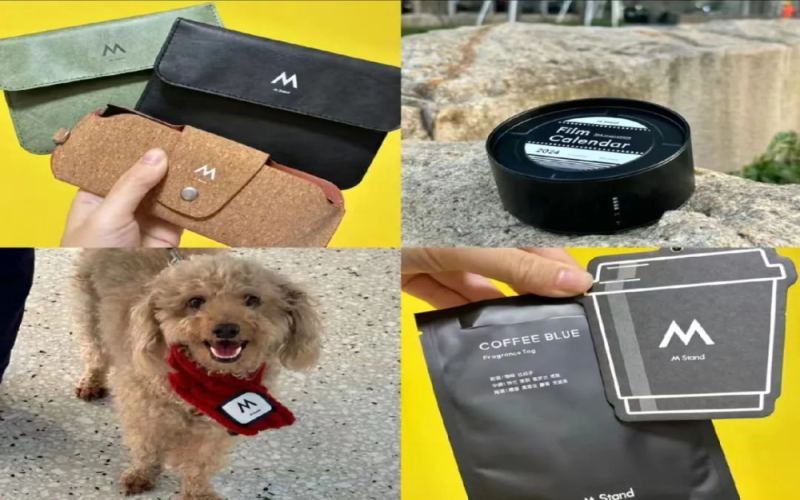
M stand recently launched a wooden fish (muyu) merchandise item, which sparked a buying frenzy among fans as soon as it went on sale. However, after receiving the product, many people found that this wooden fish couldn't produce a crisp, ethereal sound when struck, and it also had issues like scratches, rough craftsmanship, and a surface prone to showing hammer marks. It was criticized as a "beautiful piece of junk." At the same time, netizens' complaints about M stand's coffee quality control have resurfaced, with many arguing that its prices are higher than Manner and Luckin, yet its taste is not superior. M stand, which once won over fans with its petit-bourgeois vibe and consistent quality control, is now increasingly perceived by consumers as "the coffee isn't great, but the merchandise is decent." This latest quality failure with the wooden fish has left loyal fans even more disappointed. [more…]
During the Spring Festival, milk tea orders surged by 180%, and store employees worked nonstop, saying they were overwhelmed.
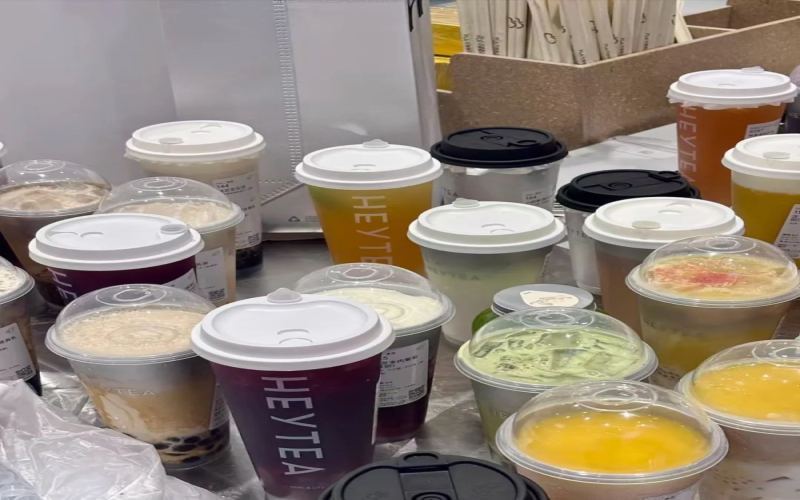
During the Spring Festival holiday that just passed, milk tea sales nationwide surged by 180.4% year-on-year, with many consumers bringing milk tea and coffee to the New Year's Eve dinner table, replacing traditional alcoholic drinks and beverages. The surge in orders put chain tea beverage stores into high-intensity operation from New Year's Eve, with receipt printers at the front desk spewing orders nonstop, empty cups piling up like mountains on the preparation counters, and staff in the prep room peeling, juicing, and boiling ingredients without a moment's rest. Employees worked around the clock, some putting in 12-hour days for a full week straight, some so busy they had no time to drink water or use the restroom, and equipment frequently jammed or broke down. Facing customers and delivery riders clamoring for their orders, staff at the pickup station could only apologize repeatedly, mocking themselves as "sorry to everyone." This article takes you inside the Spring Festival tea shop frenzy and the real lives of these workers. [more…]
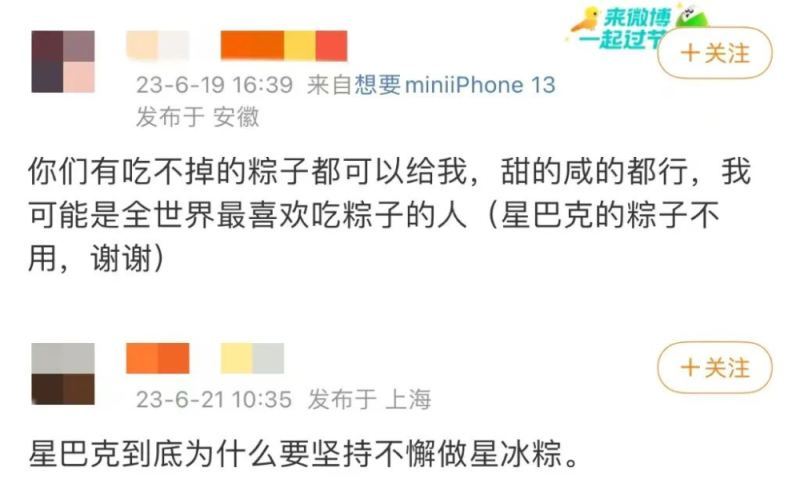
Starbucks Frappuccino-inspired zongzi have been sold for thirteen years straight—why do they never get pulled despite constant controversy?
Every year around the Dragon Boat Festival, Starbucks' Frappuccino Zongzi (星冰粽) always becomes a hot topic on social media. This product, which defies categorization for both the savory-leaning South and the sweet-leaning North, has appeared in Starbucks' Dragon Boat Festival lineup for thirteen consecutive years. Netizen comments have evolved from blunt criticism to all sorts of creative mockery. Despite the sharply polarized reputation, Starbucks has never given up on this controversial zongzi. This year's Frappuccino Zongzi comes in four flavors with eight pieces, still priced at 198 yuan, and adds a new spicy popping candy dipping sauce. Caught between consumer complaints and employees' helpless sales pitches, what exactly is the business logic behind this product? Is it a clever gift-bag marketing strategy, or a commitment to brand exposure during the holiday? This article will take you on a deep dive. [more…]
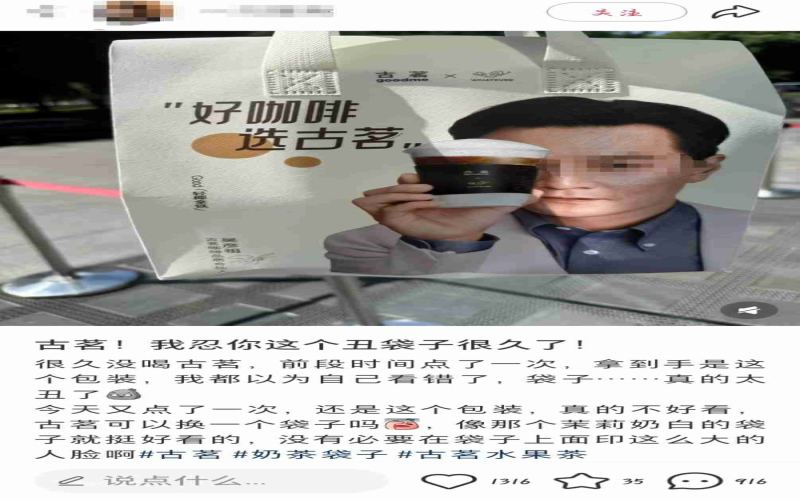
Guming's Wu Yanzu co-branded packaging bag sparks controversy: Consumers complain the design looks like health supplement packaging, brand responds feedback has been noted
After collaborating with actor Daniel Wu to promote coffee products in late June, Guming Tea recently rolled out packaging bags featuring his image at stores nationwide, which unexpectedly sparked widespread dissatisfaction among consumers. Many customers complained on social media that the bag design was "not aesthetically pleasing" and that the celebrity's portrait was too large, saying carrying it felt like "health supplements for middle-aged and elderly people" or "soaking goji berries," and some even said they wanted to throw it away as soon as they received it. Some netizens argued that although Daniel Wu has high national recognition, he is no longer young and does not fit the positioning of a youthful tea beverage brand; others pointed out that the brand should consider scenarios for secondary use of the packaging. On September 23, Guming staff responded that they had not received related complaints, but would record opinions on the design and spokesperson and pass them on for evaluation. The incident reflects the tension between co-branded packaging and the aesthetics of young consumers. [more…]
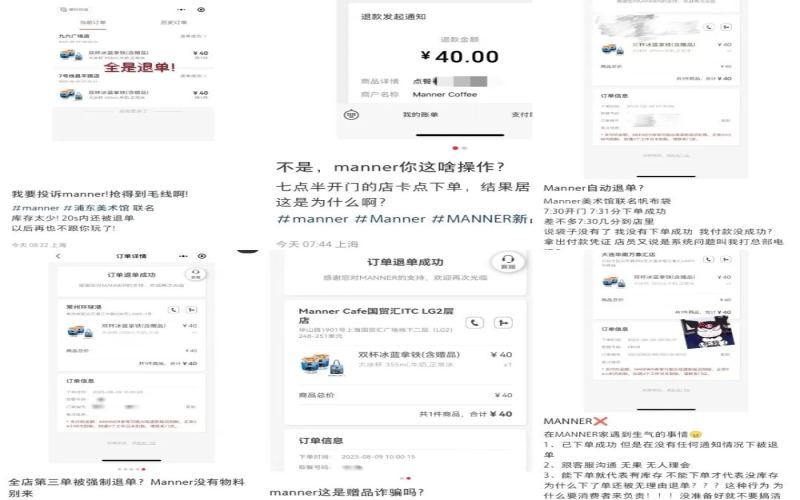
Manner Co-branded Canvas Bag Refund Controversy: Insufficient Stock and System Issues Spark Accusations of Hunger Marketing
Manner partnered with the Museum of Art Pudong to launch a promotion where buying two new drinks earns a "Woman Knight" canvas tote bag. The offer was limited to one day and only 10,000 bags nationwide, triggering a buying frenzy. However, many customers had their orders automatically canceled by the system after successful payment, or were told upon arriving at the store that the gifts were already gone, resulting in a terrible experience. Netizens questioned whether stores had stocked too few bags, whether the system inventory matched reality, and some even suspected the gifts were flowing onto second-hand platforms to be resold at high prices. This is not the first time Manner has been criticized over gift inventory issues, dealing another heavy blow to brand goodwill. Front Street Coffee is following this incident and walks you through how it unfolded. [more…]
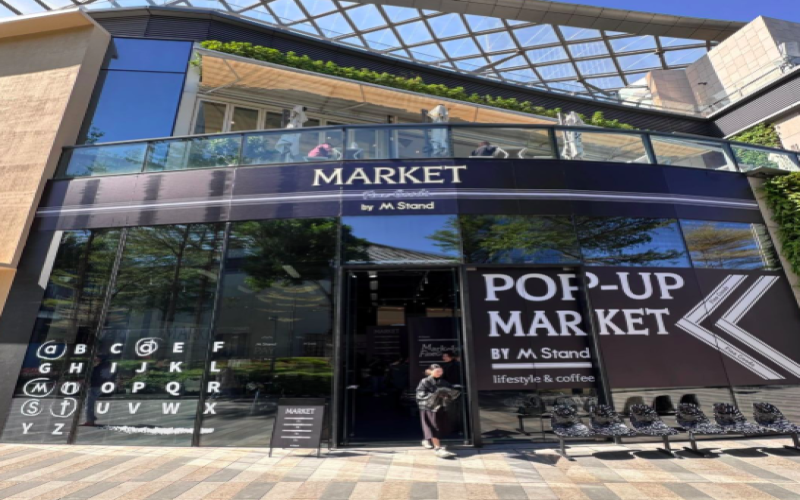
Mstand opens a themed pop-up merchandise store in Guangzhou, with coffee reduced to a free drink in a combo package, sparking controversy over brand positioning.
Recently, Mstand opened a pop-up store called Mstand Market on the first floor of Teemall in Guangzhou, mainly selling merchandise. The store displays various cups, bags, and other merchandise, while coffee has become a supporting role in the package deals. This "buy merchandise, get coffee free" model has sparked heated discussions among consumers, with longtime customers saying it puts the cart before the horse. Mstand, once recognized for its coffee quality, has now become a topic of discussion because of its merchandise, and is even jokingly called "a coffee shop that survives by selling merchandise." The inconsistent quality of the merchandise and controversial pricing strategy make the brand's positioning shift lamentable. [more…]